Falls are the leading cause of injury for older adults, and most of the technology built to prevent them has never been tested side by side in the places people actually live.
More than 14 million older adults, about one in four, experience a fall each year, and falls are the leading cause of injury and injury death among adults aged 65 and older [1]. Beyond the physical harm, a fall erodes something harder to measure: confidence, independence, and a resident's sense of security. A new generation of technology promises to change that, shifting fall prevention from reacting after the fact toward proactive, data-driven care through intelligent sensors, AI mobility analysis, and continuous environmental awareness.
Integrated Senior Foundation, through its data infrastructure ISAI, is evaluating that technology inside real community environments, with safety, dignity, and quality of life as the measures that matter. The rare combination of senior-living data, clinical workflows, and AI infrastructure is what makes it possible to see how these tools actually perform in daily practice, not in a demo.
What ISF is evaluating
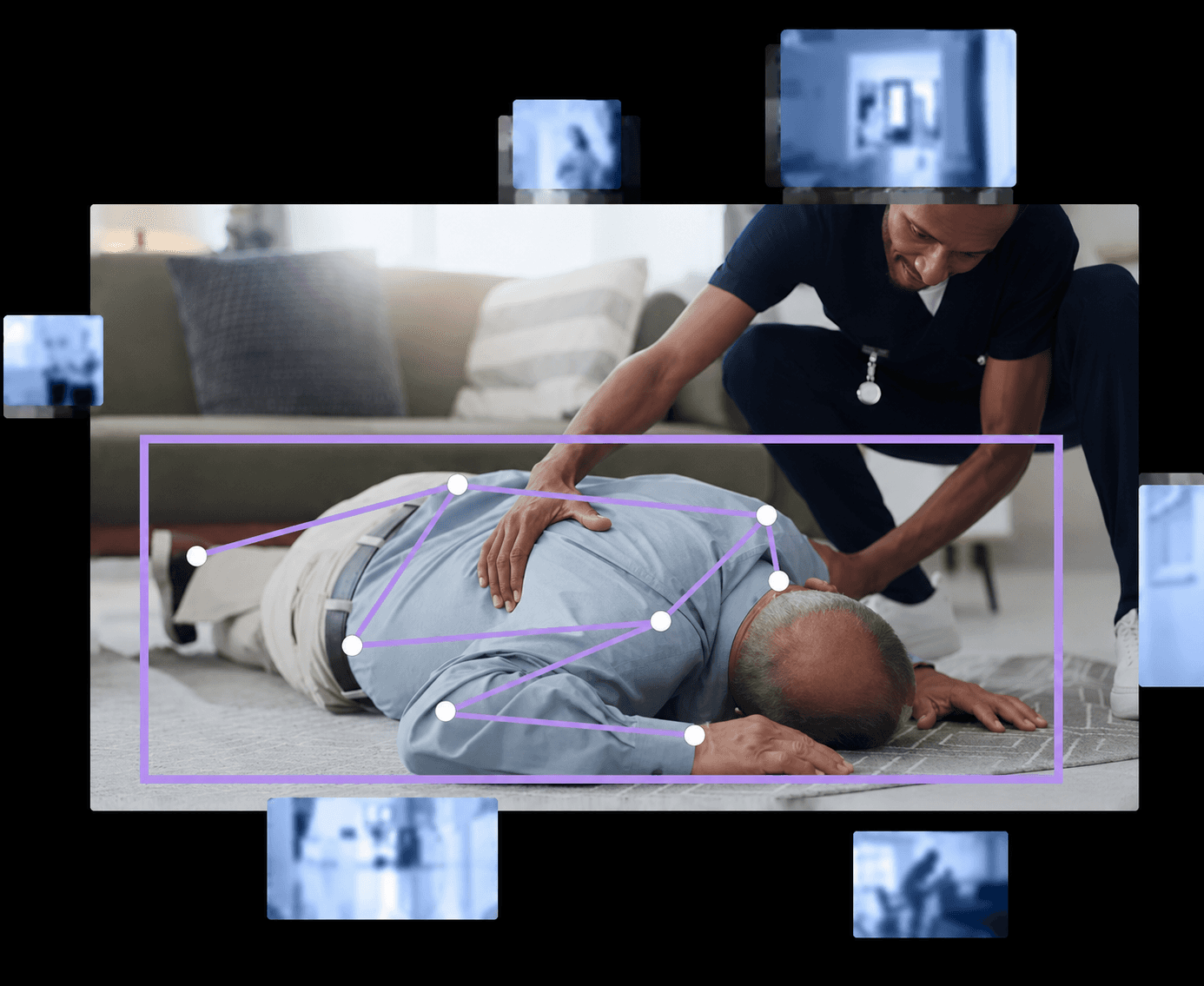
Inspiren (Augi). The Augi platform pairs computer vision with environmental sensors to show care teams what is happening in a resident's room without asking anyone to wear a device. Beyond detecting falls, it surfaces patterns like sleep disruption, mobility change, and engagement, turning everyday movement into data that supports more personalized, preventive care.
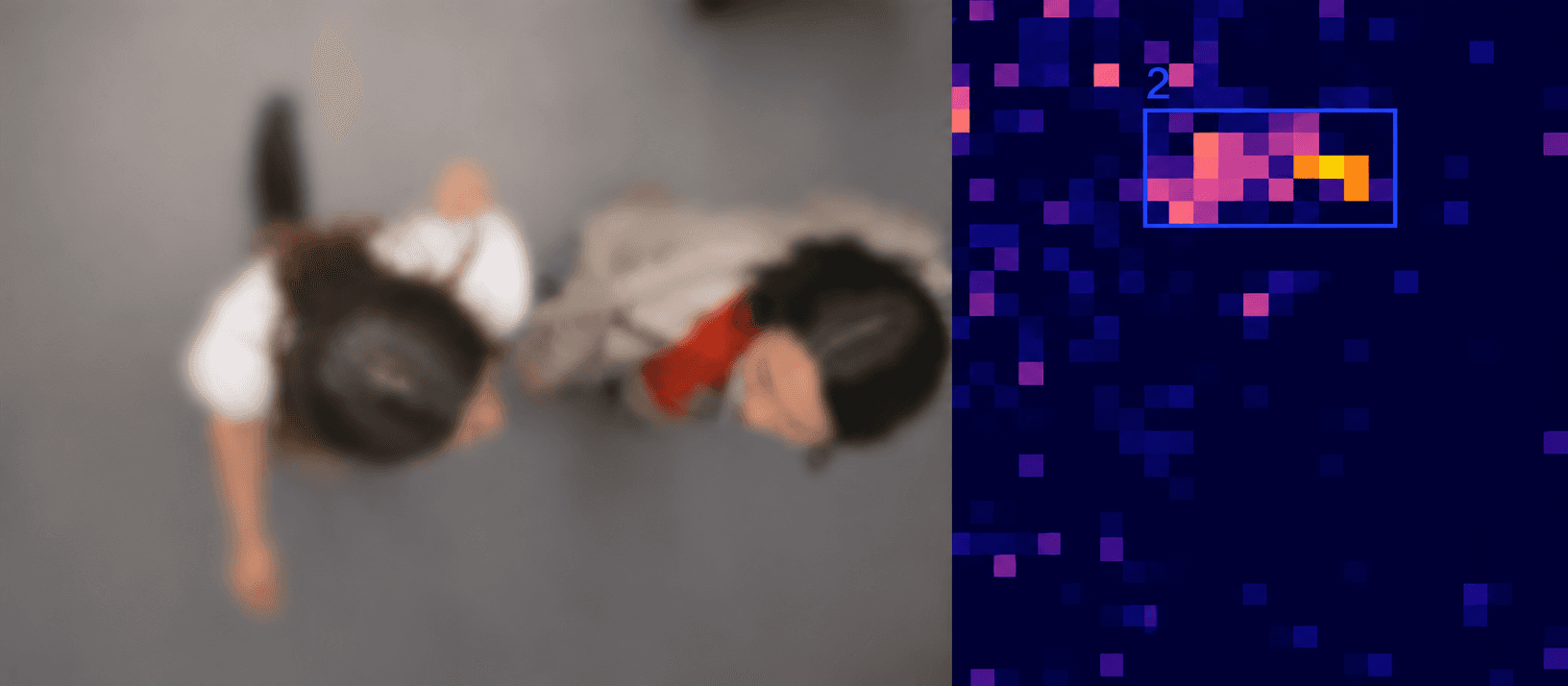
Butlr (Heatic). Butlr's Heatic sensors use thermal and movement data rather than video to map presence discreetly. The approach gives continuous insight into mobility, sleep quality, and room use while protecting privacy, and it adapts across independent living, assisted living, and memory care.
SafelyYou. SafelyYou focuses on what leads to a fall. Through secure video review and AI analysis, care teams can identify contributing factors, from an environmental hazard to a difficult transfer. When the root cause is understood, communities often see fewer emergency transfers and greater confidence in their prevention strategy.
Because several of these tools observe activity in private spaces, safeguards around privacy, informed consent, and data governance are not optional. For ISF, those considerations guide every evaluation, so that a gain in safety never comes at the cost of a resident's trust or autonomy.
The horizon beyond detection
The most interesting research looks past individual fall events. Institutions such as Cedars-Sinai, UCLA, and USC are leading collaborative work that aims to extend healthspan, reducing chronic disease, supporting independence, and exploring the biological pathways of aging, examining how interventions at the cellular level translate into stronger, healthier years rather than predicting any single fall. Their findings add important context to the aging-research landscape, and they point to a role that real-world senior-living data may someday play in advancing longevity, resilience, and independence.
Why this is genuinely hard
For all the promise, the field still has real gaps, and naming them honestly is part of evaluating well.
Accuracy. Many algorithms are trained on narrow or homogeneous datasets, which limits how well they work across different populations, living arrangements, and mobility levels. Missed detections and false alarms both erode trust.
Integration. Without clean compatibility with clinical systems and daily workflows, a tool can add alert fatigue or simply go unused. It has to fit the rhythm of care.
Privacy and dignity. Whether a system uses video, thermal, or depth sensing, transparency and consent are essential. Residents and families have to feel confident about how data is collected and used.
Cost. Hardware, installation, cloud services, and maintenance add up, and can be prohibitive. A scalable solution has to be both clinically effective and financially feasible.
Validation. Early results are promising, but many systems still lack the extensive, peer-reviewed evidence that would prove long-term reductions in falls, hospitalizations, or decline. The science is moving fast, and real-world validation is still catching up.
ISF's role
This is the gap ISF is built to close. An ecosystem of real communities, clinical operations, sensor data, and AI capability creates a rare chance to test and compare fall-prevention tools against one another rather than one at a time. The question is not only what is technically possible but what genuinely helps residents, which means the evaluation surfaces both the tools worth scaling and the places they still fall short.
No single device or algorithm solves falls. What moves the field is evidence gathered where people actually live, and the discipline to keep only the tools that earn their place. Running that comparison, in real communities and with residents' dignity intact, is how ISF turns fall risk into something a care team can act on before the fall happens.
Sources:
Kakara R, Bergen G, Burns E, Stevens M. Nonfatal and Fatal Falls Among Adults Aged ≥65 Years, United States, 2020–2021. MMWR Morb Mortal Wkly Rep 2023;72:938–943. DOI: 10.15585/mmwr.mm7235a1. https://www.cdc.gov/mmwr/volumes/72/wr/mm7235a1.htm
Centers for Disease Control and Prevention. Facts About Falls, Older Adult Fall Prevention. https://www.cdc.gov/falls/data-research/facts-stats/index.html
Cedars-Sinai, UCLA, and USC Join Forces to Extend Human Healthspan. Cedars-Sinai Newsroom. https://www.cedars-sinai.org/newsroom/cedars-sinai-ucla-and-usc-join-forces-to-extend-human-healthspan/
Multimodal Human Mesh Recovery for Real-World Elderly Populations (vision-based human pose analysis for aging and mobility). arXiv:2401.04239. https://arxiv.org/pdf/2401.04239
Inspiren (Augi). https://www.inspiren.com/
Butlr (Heatic). https://www.butlr.com/
SafelyYou. https://www.safely-you.com/