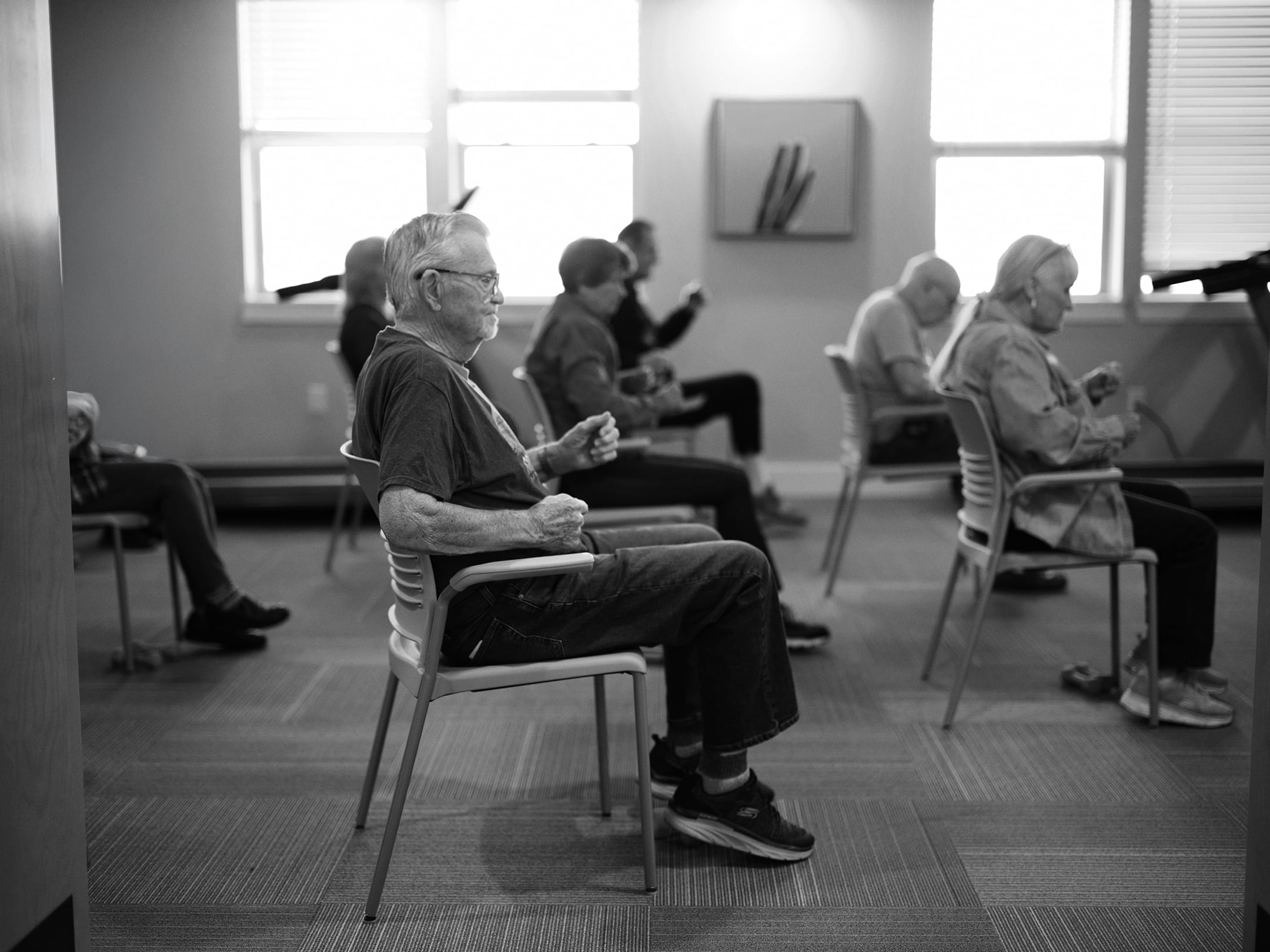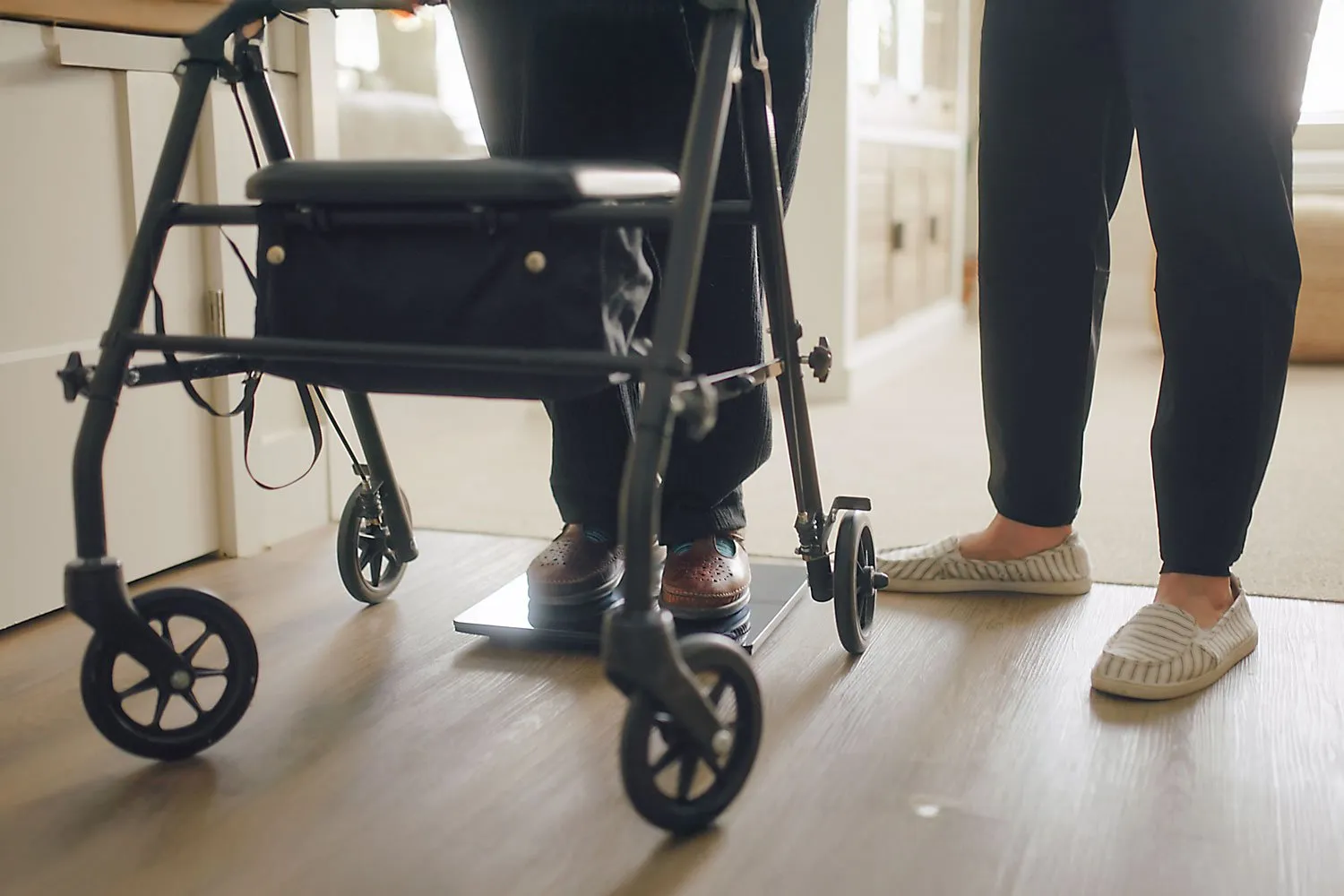
Healthcare treats illness. Senior living watches life in motion, and that is what makes it the right place to advance how we age.
Demand for senior living has now risen for 18 consecutive quarters, with occupancy reaching 89.1% at the end of 2025 even as new construction stalled [1]. More people are entering communities, staying longer, and arriving with more complex needs. That concentration of daily life is not only an operating challenge. It is the reason senior living holds a kind of untapped potential few industries can match: it is where the science of longevity meets the craft of compassionate care, every day and over years.
Where data, humanity, and everyday life intersect
Unlike a hospital or a clinic, a senior living community captures the full rhythm of aging rather than isolated moments. It reflects everyday habits, from diet and sleep to mobility, cognition, and social engagement, tracked over long stretches of time. Every resident who chooses to take part adds to a continuous record of how behavior, genetics, and environment interact with daily care.
"Only senior living pairs longitudinal depth with day-to-day breadth: sleep, mood, mobility, meals, social ties," says Bryan Ziebart, founder and CEO of Integrated Senior Foundation. "That 360° view is unique to senior living, and it positions the industry well to advance innovation in aging overall."
Researchers have a name for that combination of dense, sustained, per-person measurement: deep phenotyping. It is what lets a community evaluate outcomes on two axes at once, medical progress and quality of life, from how quickly a resident recovers after a fall to how nutrition or social activity shifts mood. This is real-world evidence in its truest form, and it is the raw material for the next generation of aging models.
From places to live to engines of discovery
The definition of senior living is changing. Communities are evolving from places to live into settings for discovery, real-world environments for technologies like genomic screening, predictive analytics, and AI companions that support memory and emotional well-being. A few things make that possible:
Immediate feedback loops. Care teams can act on daily data in real time, moving faster than a traditional clinical trial.
Rich, multidimensional data. Every day yields behavioral, clinical, and lifestyle signal, the kind that blends measurable science with lived human experience.
Shared purpose. Many residents and families want to take part in research that improves aging for those who come next, which keeps the work both rigorous and humane.
A bridge between research and the real world
Senior living sits at the crossroads of healthcare, hospitality, and housing, which makes it a natural bridge between academic research and practical use. For universities, startups, and healthcare innovators, ISF communities can serve as real-world environments to validate the safety, usability, and impact of a technology before it scales to larger populations. The near future here is concrete, not hypothetical:
Nutrition shaped by genetic and microbiome data.
AI storytelling tools that support memory care and cognitive engagement.
Sensors that catch early changes in gait or speech before they become hospitalizations.
Cognitive wellness plans that address dementia risk through lifestyle and non-invasive steps.
None of this is theoretical. It is already being tested through collaborations that bring caregivers, clinicians, and data scientists together to redefine what it means to age with strength, dignity, and purpose.
Innovation grounded in dignity
For all the technology, the point is not automation. It is empowerment. Every advance, from predictive tools to precision monitoring, has to earn its place by helping residents live longer, healthier, and more meaningful lives.
"Communities should be built on the belief that no two residents are the same, and their care shouldn't be either," says Matt Hoskins, chief operating officer of Insight Living. "Too often, senior living has followed a one-size-fits-all model, but it's important that we look ahead with a mindset of personalization, where every innovation is measured by how it enhances a resident's well-being and advances the future of senior living."
Healthcare treats illness, but senior living is the one setting where the science of longevity, the data of daily living, and the spirit of human connection meet in the same place, every day. Integrated Senior Foundation is built around that intersection rather than around buildings alone, which is what lets it treat aging not as a decline to be managed but as a stage of life worth improving.
Sources:
National Investment Center for Seniors Housing & Care (NIC). "Occupancy Rate for Senior Living Communities Increased in 2025 as Construction Stalled." January 15, 2026. https://www.nic.org/news-press/occupancy-rate-for-senior-living-communities-increased-in-2025-as-construction-stalled/